
ICEE International Conference in Energy and Engineering 2025
The International Conference on Energy and Engineering (ICEE) 2025 welcomed researchers, academics, industry professionals, policymakers, and students from around the world to the University of Energy and Natural Resources (UENR) in Sunyani, Ghana, on 1st – 4th October 2025, to share cutting-edge research, explore smart innovations, and contribute to shaping resilient and sustainable systems for energy, infrastructure, agriculture, and climate adaptation. The conference hosted around 150 participants from countries as far away as Germany, Colombia, Nigeria, and Chad.
During the conference Moving IMPACT was presented on two separate occasions, based on the following two abstracts:
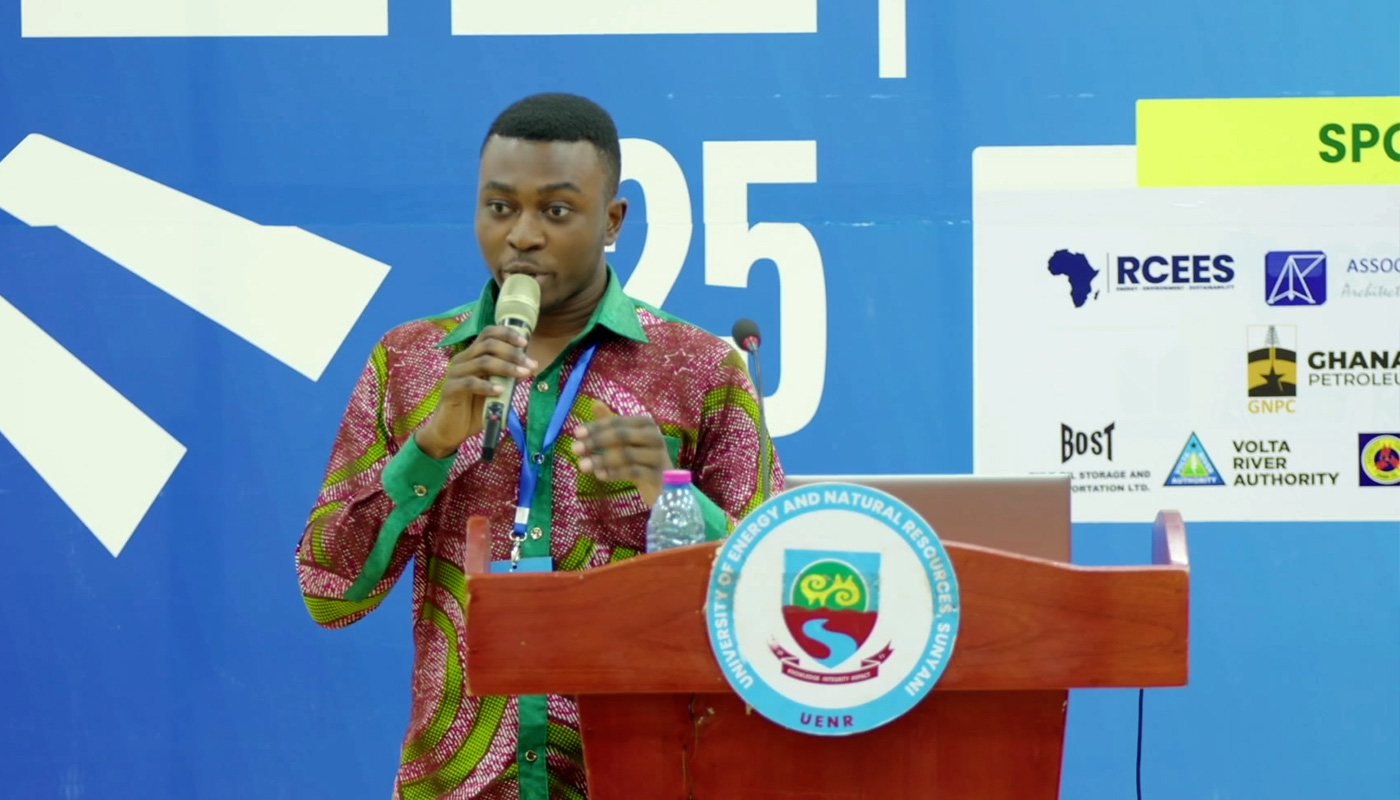
Abstract: Designing Context-specific Business Model To Accelerate Electric Mobility Adoption In Ghana
George Mensah, Samuel Gyamfi, Felix Amankwah Diawuo, Eric Ofosu Antwi
Ghana’s transport sector is responsible for 47.7% of all energy related emissions. Despite efforts to meet the Nationally Determined Contribution pledge on reducing emissions by 15% by the year 2030, there is still an upward rise in emissions. This necessitates the need for cleaner and sustainable transport such as the electric two wheelers (E2Ws) and electric three wheelers (E3Ws) whose fossil-fuel based counterparts are becoming more popular modes of public transportation. However, financial issues persist in Ghana affecting the penetration. Drawing on existing literature in the Global North and some countries in the Global South, this research aims to deliver a context specific business model for e-mobility adoption, using Bechem in the Ahafo region as a case study. The research employs a mixed methods approach, using SPSS to analyze the qualitative data collected from stakeholder interviews and surveys. For quantitative analysis, Python is used to assess financial viability metrices like return on investment (ROI), net present value (NPV) and also develop a technology acceptance model (TAM). The findings of this study are intended to provide adequate information and insights to support decision makers in creating the right policy and regulatory environment to support the penetration of electric vehicles.
Download the full presentations here.
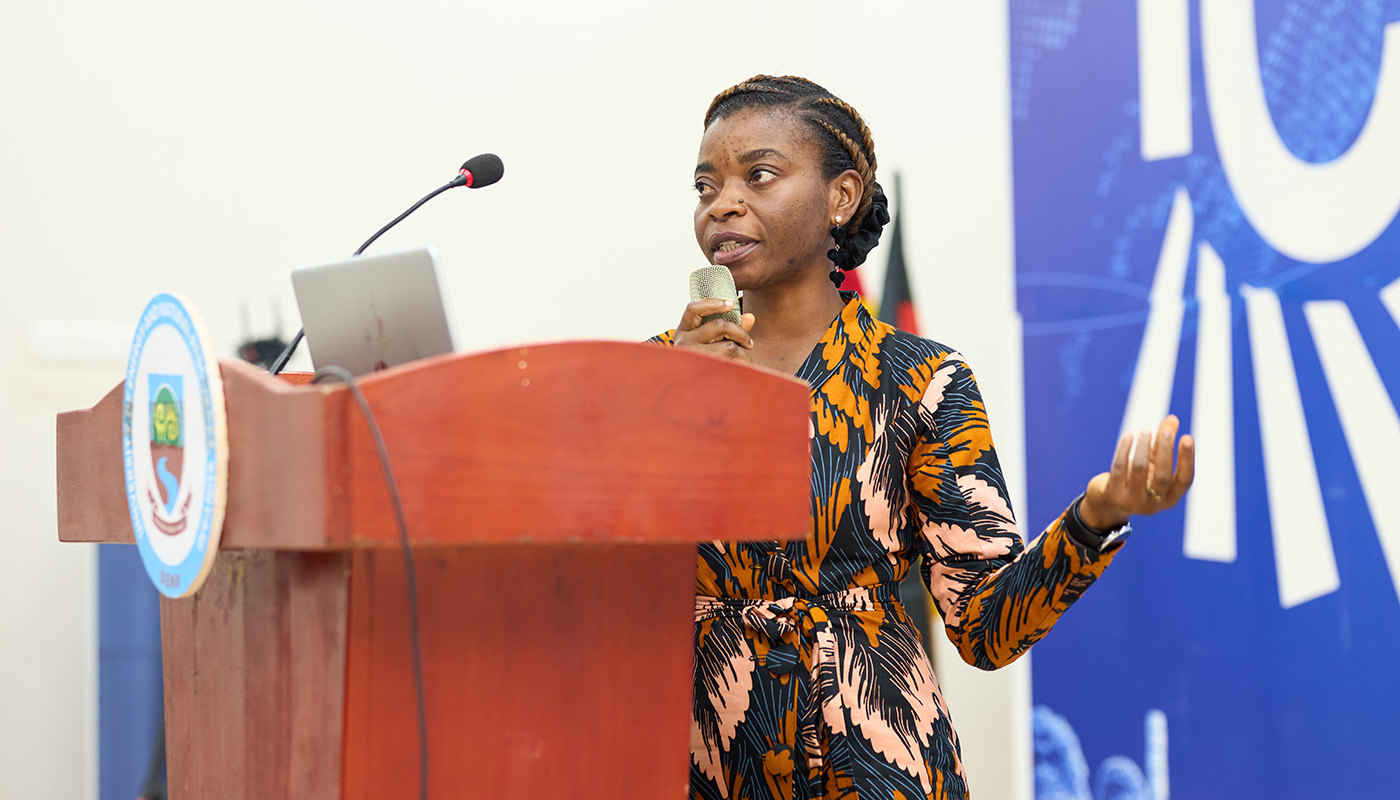
Abstract: Designing Solar PV Mini-Grid with Electric Vehicle (EV) Infrastructure Integration in Ghana
Francisca Asare-Bediakoa, Samuel Gyamfia, Eric Ofosu Antwia, Felix Amakwah Daiwuoa
Achieving universal access to reliable and affordable energy in Sub-Saharan Africa requires integrated approaches that link electrification, clean mobility, agriculture, clean cooking and other productive uses. Despite Ghana’s national electrification rate of 89%, rural areas particularly face access gaps and limited electric vehicle (EV) infrastructure. At the same time, rising transport-related emissions underscore the urgency of low-carbon mobility pathways. This study aims to design a localized and suitable energy system configuration that integrates solar photovoltaic (PV) mini-grids with EV charging system to develop sustainable energy and transport solutions that meets community energy demands. The research applies a mixed-methods framework combining geospatial analysis, machine learning clustering, extreme value theory for solar irradiance forecasting, and mathematical optimization for system sizing and energy dispatch. Using Bechem in the Ahafo Region as a case study, energy demand across households, agriculture, health facilities, and transport are to be modelled alongside EV routing patterns for two- and three-wheelers. Preliminary studies and analysis indicate that integrating EV charging with community needs, health services and agricultural activities can enhance mini-grid productive energy use, financial viability and system reliability. The synergy between the technologies can improve grid stability and reduce system losses.

Published:
20th October 2025
