Exploring e-cooking in practice: Moving IMPACT visits Nyalore Impact in Homa Bay
What does the transition to electric cooking look like in practice, and what impacts can it have for communities and institutions?
During a recent visit to Homa Bay, Kenya, Chiara Candelise and Whitney Pailman from the Moving IMPACT team at Imperial College London, Centre for Environmental Policy, had the opportunity to meet with Nyalore Impact and learn more about their work on e-cooking with local communities and schools.
Nyalore, a women-led social enterprise, has been active in the clean energy and energy access space since 2016, with a particular focus on advancing clean and sustainable cooking transitions. As one of its current offerings, Nyalore provides an e-cooking-as-a-service model, preparing meals using electric pressure cookers (EPCs) for neighbours and other members of the local community. This also provides a practical demonstration of e-cooking, creating opportunities for local residents to engage with Nyalore on the benefits, opportunities and practicalities of transitioning to electric cooking.
Nyalore is also working with local schools to advance institutional e-cooking, including the preparation of meals for primary school learners. During the visit, the Moving IMPACT team visited La Salle School Homa Bay, which is working with Nyalore, providing an opportunity to see institutional e-cooking in practice and engage with members of the school community. The initiative also demonstrates the potential role of clean cooking in supporting the preparation of nutritious meals for learners, alongside the transition towards cleaner and more sustainable cooking practices.
The school programme brings together cooking, skills development and STEM learning. Students participating in home science and cooking classes have the opportunity to develop practical skills alongside a novel STEM component being introduced into the curriculum, with pathways towards recognised technical vocational education and training (TVET) certification. The initiative therefore provides an interesting example of how e-cooking can extend beyond the provision of clean cooking services to support education and skills development.
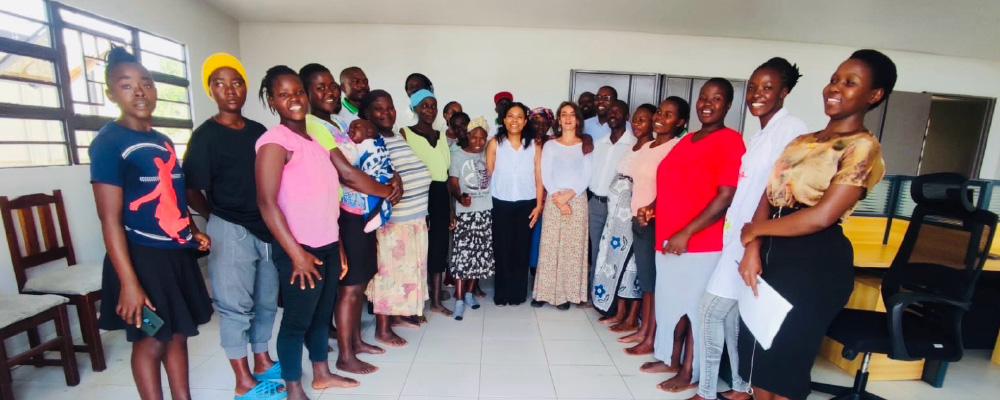
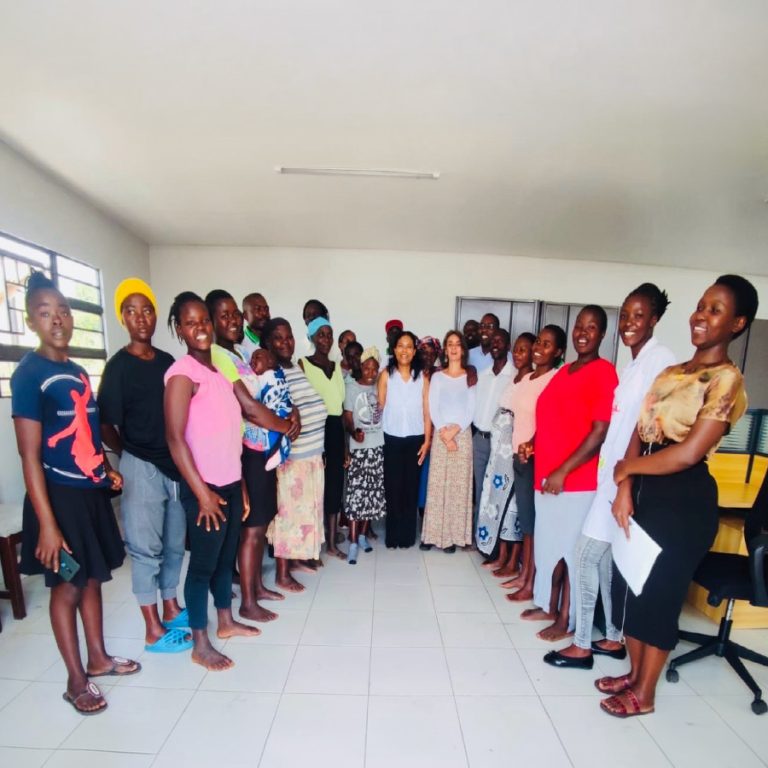
As part of the visit, the team also joined a community session at Nyalore’s offices, where community members shared their experiences with the e-cooking as service model and the benefits of time and cost savings. These experiences provided valuable insights into the wider socio-economic dimensions of transitions to electric cooking, including the potential impacts for households and local communities, and particularly for women and girls.
The visit provided valuable insights for Moving IMPACT’s socio-economic research. Clean cooking transitions are about more than technology; they depend crucially on communities, institutions, local contexts and the adaptation of everyday practices. The experiences shared during the visit highlighted opportunities to explore how e-cooking in households, communities and institutions can support wider clean cooking transitions. These areas have relevance across Work Package 0 and Work Package 2, particularly through the project’s work on socio-economic impacts, energy demand modelling and clean cooking.
The Moving IMPACT team looks forward to continuing its engagement with Nyalore and exploring opportunities to capture and share lessons from its work as the project progresses.
Published:
18th August 2026
