
Connecting mobility, energy and livelihoods: Moving IMPACT visits Kisii Smart Community in Kenya
Connecting clean energy and e-mobility with agricultural livelihoods opens up new possibilities for addressing first-mile transport and market-access challenges in rural communities.
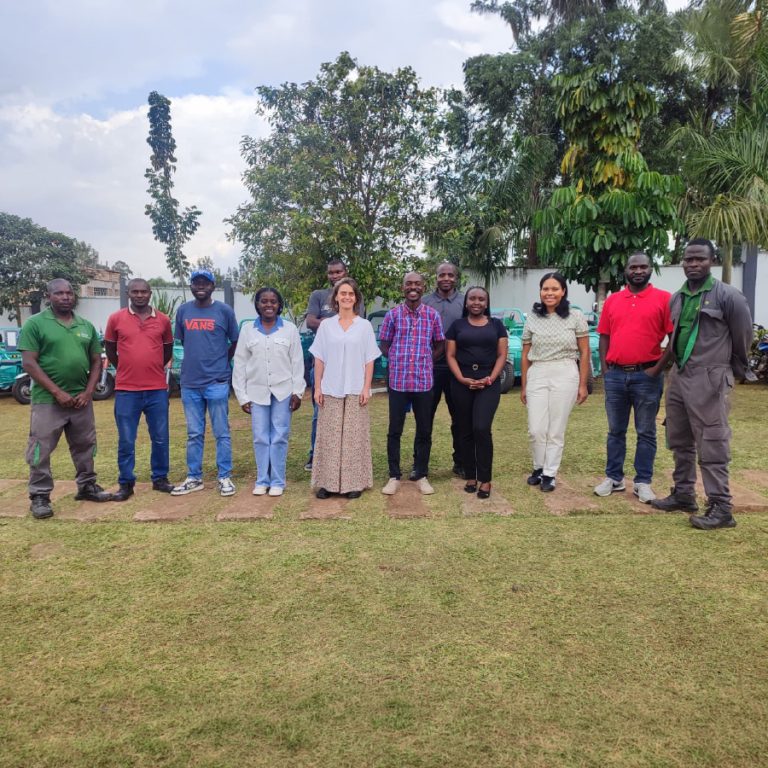
While in Kisii, Kenya, members of the Moving IMPACT team, Chiara Candelise and Whitney Pailman, also had the opportunity to meet with the Songa Mobility team (Kisii Smart Community) and learn more about how their model brings together clean energy, electric mobility (e-mobility) and agricultural livelihoods to support smallholder farmers and local communities.
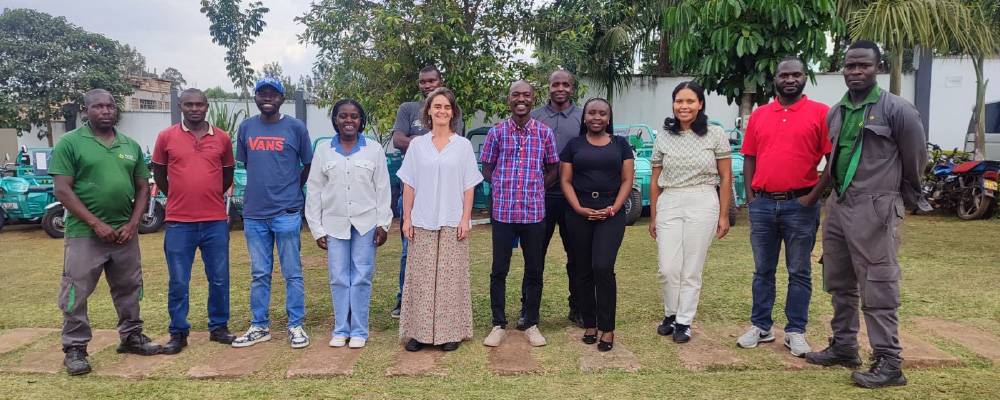
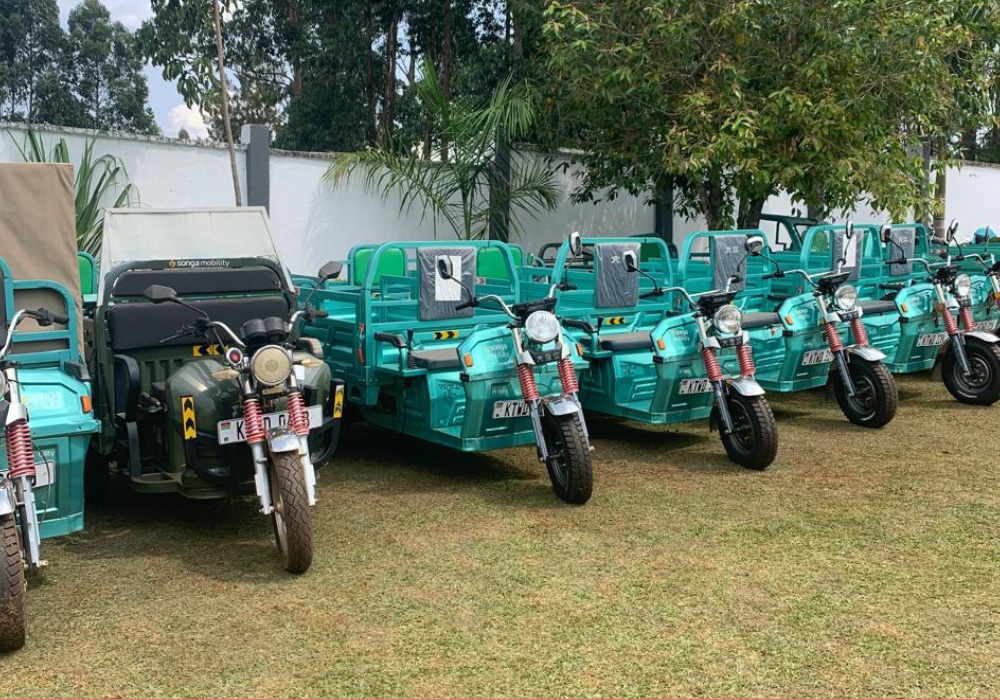
The Kisii Smart Community model, which began in 2020–2021, addresses first-mile transport and market-access challenges faced by farmers, particularly in areas where transport and market connectivity can be challenging and make it difficult to move agricultural produce efficiently. Milk aggregation is one of the most established applications of the model, with farmers bringing milk to collection points and electric three-wheelers (e-trikes) supporting its onward transportation to processors and other off-takers.
A network of solar-powered Agri-E-Hubs provides supporting energy and charging infrastructure. The hubs bring together solar PV, battery charging and swapping, e-trikes and digital monitoring, creating a distributed model through which clean energy can support mobility and agricultural services. Beyond mobility, the hubs also offer opportunities to support other productive uses of energy within agricultural value chains, including cold storage and other battery-powered productive-use applications.
The visit was hosted at the Ogembo Agri-E-Hub, where the team was able to see first-hand how e-mobility, charging infrastructure and agricultural services come together in practice. Discussions highlighted how e-mobility can be considered not simply as an additional electricity load, but as part of a wider ecosystem linking energy access, transport, agricultural livelihoods and local economic development.
The model also incorporates farmer capacity building, including training through the Smallholder Horticulture Empowerment and Promotion (SHEP) approach, which helps farmers strengthen market-oriented production and respond to market opportunities. Gender considerations are also integrated into the approach, with attention to women’s access to technologies and livelihood opportunities, and the potential for technologies to reduce time- and labour-intensive activities.
The transition to clean mobility depends crucially on how mobility, energy infrastructure, livelihoods and local market systems interact, and Kisii Smart Community provides a valuable example for understanding these connections and considering how integrated approaches to energy and mobility can contribute to local development
For Moving IMPACT, the visit offered valuable insights into the socio-economic impacts and productive uses of decentralised energy, alongside emerging e-mobility demand, with important links across Work Packages 0 and 4. In many ways, the visit offered an opportunity to see Moving IMPACT in practice – bringing together mobility, energy access and the potential for wider socio-economic impact.
Published:
19th August 2026
